
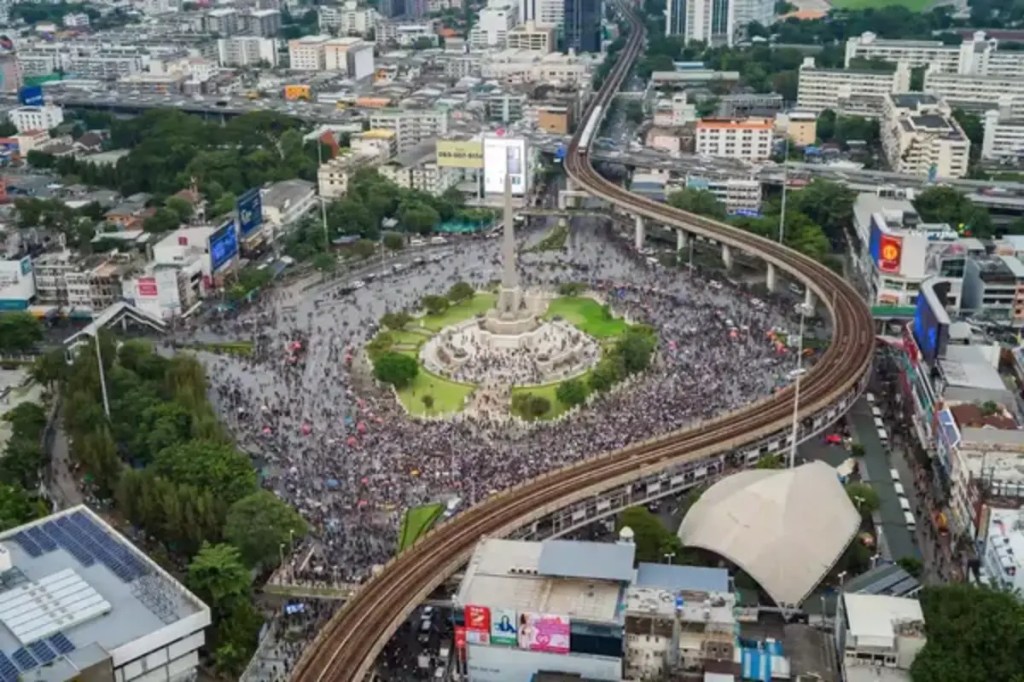
The Pheu Thai Party is one of the prominent political forces in Thailand, with a rich history and significant influence on the country’s political landscape. This article explores the origins, achievements, controversies, and impact of the party on Thai politics.
History of Pheu Thai Party
The Pheu Thai Party was established in 2008, succeeding the disbanded Thai Rak Thai Party. Its formation followed the dissolution of the previous party by the Constitutional Court due to electoral fraud allegations against its leader, Thaksin Shinawatra.
Pheu Thai emerged as a platform to continue the legacy of Thaksin’s populist policies and to uphold the principles of democratic governance.
Founding Members and Ideology
The party’s founding members were a coalition of politicians, activists, and supporters of Thaksin Shinawatra. The ideology of Pheu Thai revolves around social welfare programs, pro-poor policies, rural development, and increasing citizens’ participation in governance.
It positions itself as a champion of the common people and has drawn significant support from rural communities.
Thaksin Shinawatra’s Populism and Policies
Under Pheu Thai Party Leader Thaksin, the Pheu Thai Party embraced populist policies aimed at addressing the needs of the rural poor.
These policies, such as universal healthcare and rural development schemes, garnered immense support among the marginalized communities.
Electoral Victories and Government Tenure
The Pheu Thai Party achieved significant electoral victories in 2011 and formed a government. Its leader, Yingluck Shinawatra, became Thailand’s first female Prime Minister. The party’s pro-poor policies gained popularity among the masses during this period.
Controversies and Political Turmoil
Despite its popularity, the Pheu Thai Party faced numerous controversies. Critics accused it of corruption, nepotism, and undermining democratic institutions.
These allegations intensified political divisions, leading to mass protests and instability in the country.
Military Coup and Aftermath
In 2014, the Thai military staged a coup, toppling the Pheu Thai-led government. Yingluck Shinawatra was removed from office, and the party was dissolved.
The coup leaders cited the need to restore order and eradicate corruption as reasons for their intervention.
Resilience and Reemergence
Despite the dissolution, the Pheu Thai Party reemerged under different names, forming alliances with other pro-democracy groups.
It continued to be a formidable force in Thai politics, despite facing various legal challenges and restrictions.
Political Achievements
Since its inception, the Pheu Thai Party has enjoyed considerable success in Thai politics. It won the general elections in 2011, forming the government with Yingluck Shinawatra, Thaksin’s sister, as the Prime Minister.
During its tenure, the party implemented several populist policies, including healthcare reforms, rice subsidies, and infrastructure development, which earned it a significant voter base.
Opposition and Challenges
Pheu Thai’s rise to power and its populist policies were met with resistance from various segments of Thai society, including the urban middle class, the military, and the establishment.
This led to political divisions and protests, with critics accusing the party of corruption and undermining democratic institutions.
Pheu Thai Party’s Leadership
Over the years, the party has been led by different prominent figures, each playing a crucial role in shaping its policies and strategies.
Key leaders have included Yingluck Shinawatra, Jatuporn Prompan, and Chadchart Sittipunt, among others.
Current Status and Support
As of the present day, Pheu Thai continues to be a significant force in Thai politics, maintaining a strong presence in the opposition.
Despite facing challenges, it retains a dedicated support base, especially in rural regions, owing to its populist agenda.
Electoral Performance
Pheu Thai has participated in several general elections, garnering significant support in most cases.
However, due to political volatility and changes in electoral laws, the party has faced ups and downs in its electoral performance.
Policy Priorities and Manifesto
The party’s policy priorities include income inequality reduction, strengthening social welfare, enhancing education and healthcare, and promoting rural development.
Its manifesto focuses on inclusivity, economic growth, and citizen-centric governance.
Controversies and Criticisms
Throughout its existence, Pheu Thai has faced various controversies and criticisms. Some critics accuse the party of corruption, authoritarian tendencies, and misuse of state resources for political gains.
Social Media Presence
In recent years, the party has recognized the significance of social media in political communication and has actively engaged with voters through various online platforms.
Pheu Thai Party’s Impact on Thai Politics
The emergence of Pheu Thai Party has significantly impacted Thai politics, shaping the country’s political discourse and influencing policy agendas.
Key Figures in the Party
Several key figures have played crucial roles in Pheu Thai’s success and influence. These individuals have been instrumental in mobilizing support and shaping the party’s direction.
Future Prospects and Challenges
Looking ahead, Pheu Thai faces both opportunities and challenges. The party must navigate political complexities, build bridges across societal divides, and adapt to changing political landscapes.
The Pheu Thai Party’s journey from its establishment to its current status as a prominent political force in Thailand is a testament to its resilience and appeal to a significant segment of the population.
However, challenges and controversies continue to shape its path, making the future uncertain yet promising.
 INAGAME88
Leave a comment